Sun, 02-November-2025 // Cultural & Theme Tours
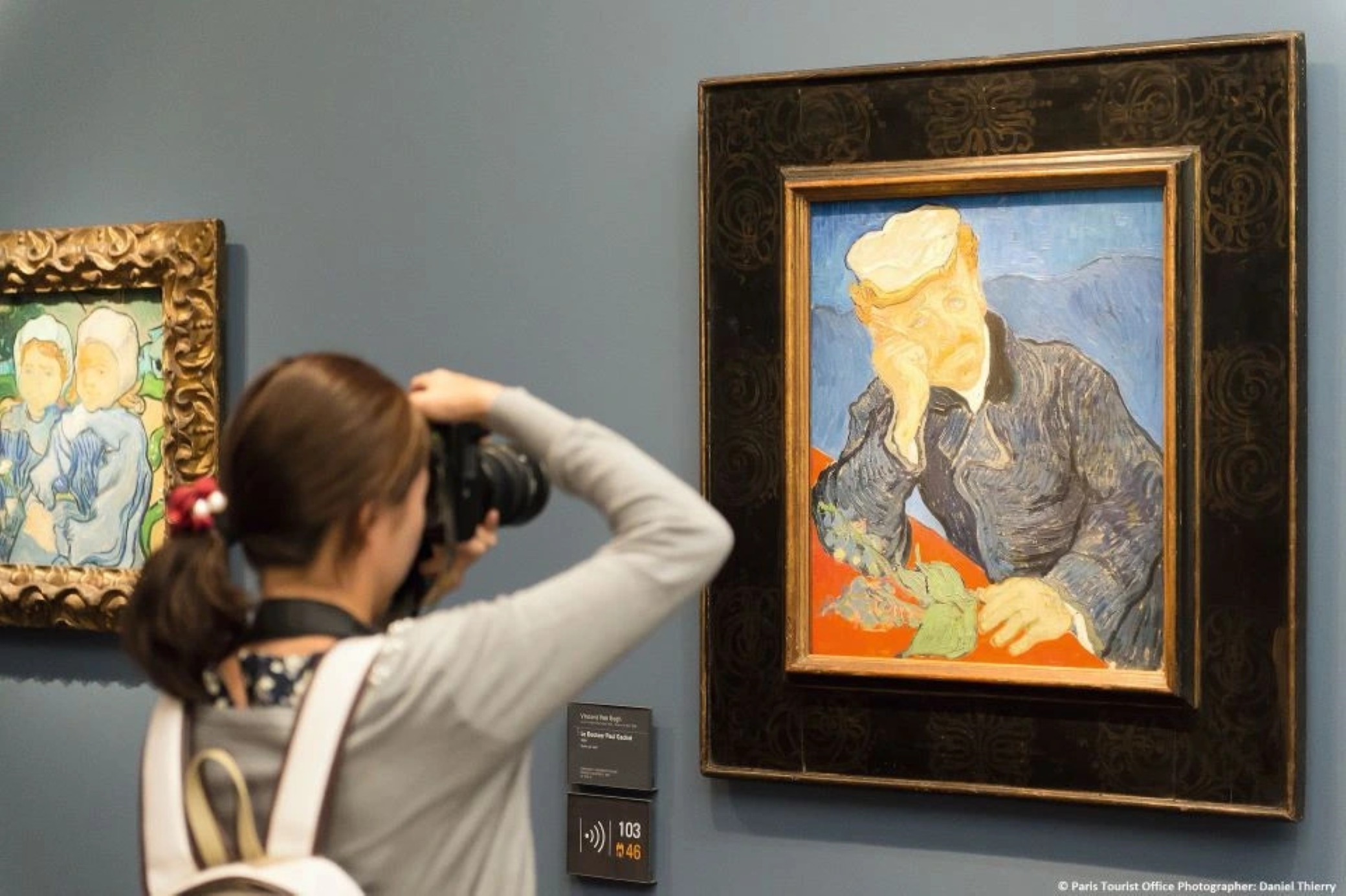
Planning your visit to the Musée d’Orsay?
Discover ticket options and make sure you experience the museum’s most iconic masterpieces without stress or long queues.
👉 Compare Musée d’Orsay Tickets
The Musée d’Orsay in Paris houses one of the richest collections of Impressionist and Post-Impressionist art in the world. Set inside a magnificent Beaux-Arts railway station on the banks of the Seine, the museum offers a journey through the creative revolutions of the late 19th and early 20th centuries. If you have limited time, these ten masterpieces capture the spirit and brilliance of the Orsay experience.
Painted in 1863, Olympia shocked the public with its raw modernity and direct female gaze. Manet replaced the idealized Venus of classical art with a Parisian courtesan, defying tradition and paving the way for modern painting.
Created in 1888 during Van Gogh’s time in Arles, this serene night scene captures the beauty of reflected starlight shimmering across the Rhône. The blend of blues and golds conveys both loneliness and wonder.
This 1863 painting caused scandal for showing a nude woman dining casually with clothed men in a park. Today it is recognized as a turning point between realism and Impressionism.
Renoir’s 1876 celebration of Montmartre’s joyful Sundays captures dancing couples under soft light. It embodies the essence of Impressionism, life in motion and spontaneity.
Before continuing your museum journey, choosing the right ticket can make a huge difference in your experience.
Standard Entry Ticket
Perfect for direct access to the permanent collection.
Entry Ticket + Digital Audio Guide
Ideal if you want deeper storytelling behind each masterpiece.
Museum + Seine River Cruise Combo
A full Paris experience combining art and sightseeing.
👉 Compare Musée d’Orsay Ticket Options
Presented at the 1863 Salon, Cabanel’s Venus represents Academic beauty at its peak. Its flawless detail fascinated Napoleon III and stands in contrast to modern artistic rebellion.
Painted in 1890, this emotional landscape reflects turmoil and isolation through dramatic skies and a dark path cutting through golden fields.
Completed around 1905, Cézanne’s Bathers redefined form and structure, influencing artists like Picasso and Matisse and shaping modern abstraction.
Painted in 1875, Monet captures his wife and son in a windy field, using light brushstrokes to freeze a fleeting moment of movement and air.
Courbet’s 1866 masterpiece remains one of the boldest works in art history, symbolizing realism, honesty, and artistic freedom.
Part of Monet’s late Nymphéas series, these calm reflections of water and light represent the artist’s lifelong pursuit of harmony between nature and perception.
Plan at least 2–3 hours to explore these highlights properly. Arriving early helps you avoid crowds and enjoy a calmer experience.
For full details about entry rules and pricing, check our Musée d’Orsay Ticket Prices and Visiting Tips 2025 guide.
For a richer experience, the Orsay Museum Entry Ticket with Digital Audio Guide App allows you to hear the stories behind each masterpiece as you explore.
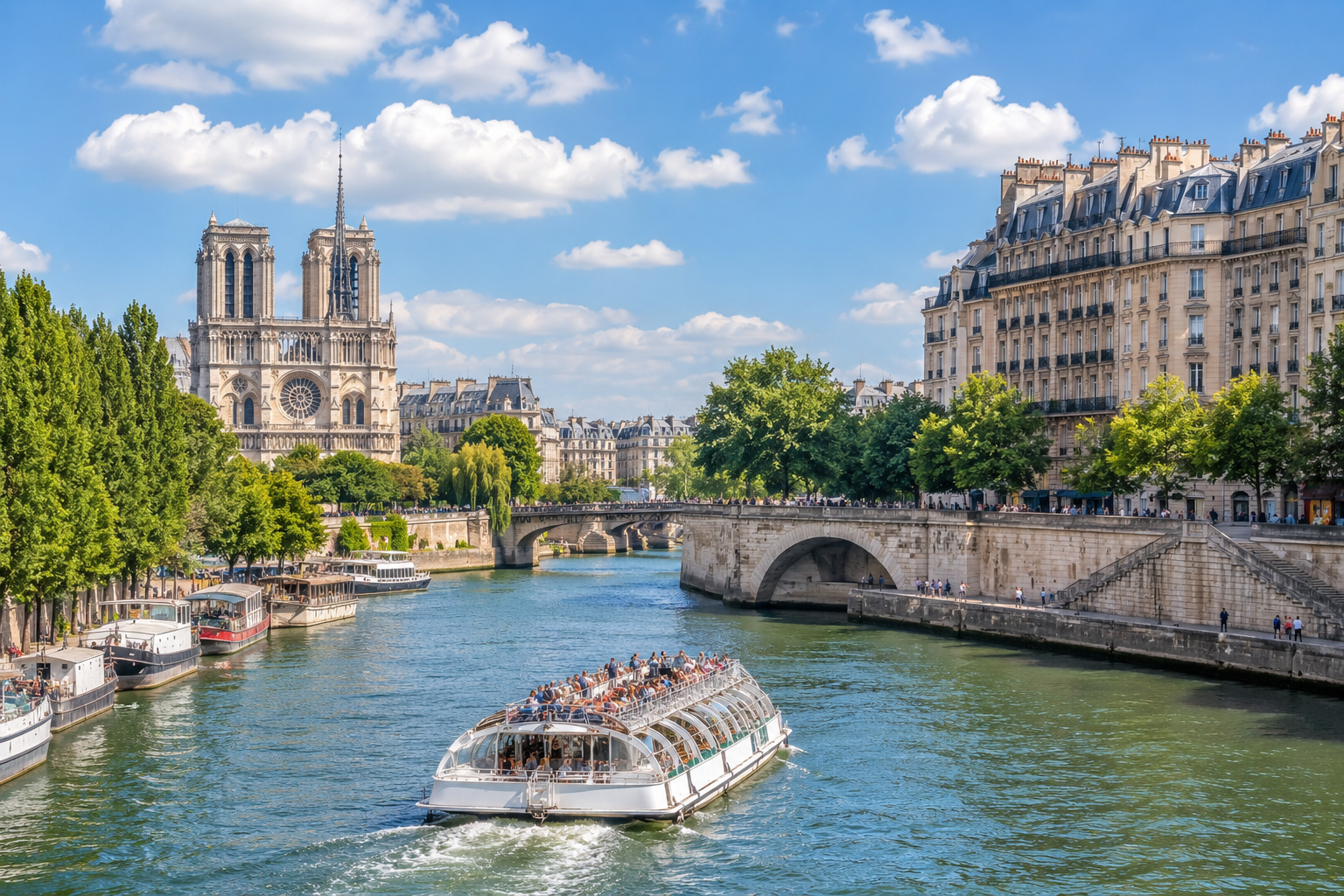
💡 Tip: Combine your museum visit with a Seine River Cruise for a relaxing view of Paris after exploring the galleries.
The Musée d’Orsay is open from 09:30 to 18:00 (Tuesday to Sunday) and closed on Mondays, May 1, and December 25. Booking in advance helps you skip queues and secure entry during peak times.
After your visit, don’t miss the museum café overlooking the Seine, one of the most peaceful spots in Paris.
👉 Check Available Ticket Options
Each painting at the Musée d’Orsay tells a story of rebellion, innovation, and artistic transformation. From Manet’s bold realism to Monet’s serene water lilies, these works define the soul of modern art.
Even a short visit to see these masterpieces will leave a lasting impression.
👉 To make the most of your experience, choose your ticket in advance and plan your visit carefully.
👉 See All Musée d’Orsay Tickets
You might also like...
Secure Payment
Ways You Can Pay









Cityzore is administrated by Global Tours and Tickets Company
Copyright © 2026 Cityzore. All Rights Reserved

 Türkçe
 Français
 Русский
 Español
 Deutsch
 Italiano
 Português
 Nederlands
 عربى
عربى