Mon, 02-February-2026 // Cultural & Theme Tours
You’ve probably imagined Paris many times before arriving. Standing beneath the iconic Eiffel Tower, strolling through the grand halls of the Louvre Museum surrounded by world-famous masterpieces, or gently drifting along the Seine as the sun sets over Paris.
But here’s a question most travelers don’t ask themselves: What lies beneath all of this? Not metaphorically. Literally. Because while Paris shines brightly above ground, its most unsettling and fascinating history is hidden deep below the streets, inside the Paris Catacombs.
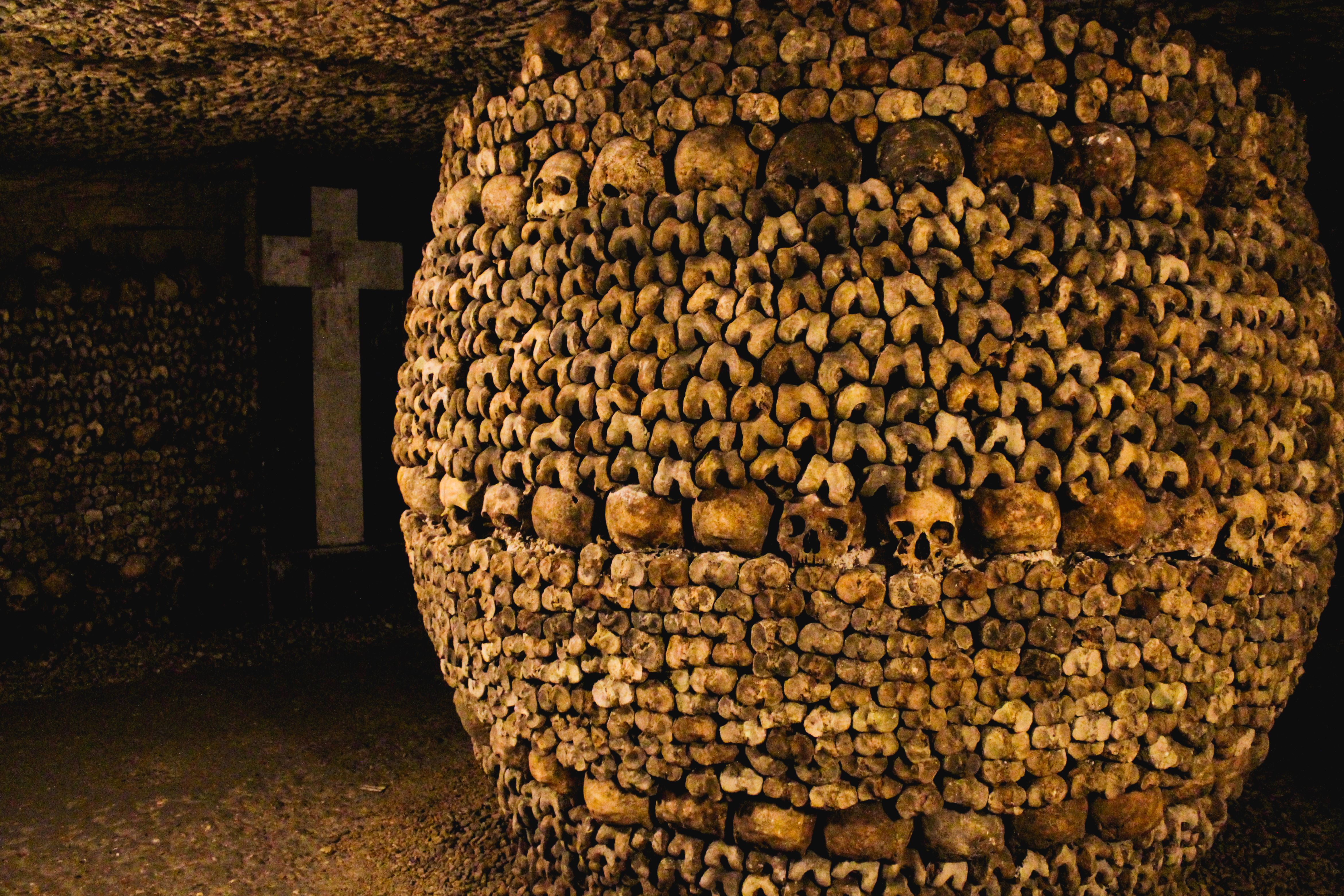
The Paris Catacombs are an extensive underground ossuary holding the remains of more than six million people. But describing them as simply “tunnels filled with bones” barely begins to capture their true historical significance.
Long before they became one of Paris’s most unusual attractions, these tunnels served as ancient limestone quarries. The very stone that built the majestic city above was extracted from beneath its streets. Slowly and silently, a hidden Paris took shape underground, carved tunnel by tunnel by generations of workers.
Then, in the late 18th century, everything changed. Paris was rapidly running out of space for its dead. Cemeteries overflowed, walls collapsed, and basements filled with contaminated soil, causing severe public health issues. The situation grew so dire that city officials made a monumental decision: the dead would permanently move underground.
Imagine this for a moment: at night, long processions crossed Paris. Wagons filled with human remains moved silently through streets lit only by lanterns. Priests led the way, while citizens watched anxiously from their windows. Few understood the massive scale of what was happening.
Over several decades, bones were transferred, sanitized, and carefully arranged deep inside the former limestone quarries. This meticulous design is what surprises most visitors to the Paris Catacombs today: nothing here feels random. Skulls form structural walls, long bones create geometric patterns, and plaques mark the exact dates and cemeteries of origin. Kings, revolutionaries, artists, and ordinary Parisians now rest side by side in the great equalizer of death.
The historical experience starts with a dramatic descent. To help you prepare for what to expect inside the tunnels, here are the essential practical metrics for your visit:
| Feature | Details & Specifications |
|---|---|
| Physical Descent | 131 steps down to enter (112 steps up to exit) |
| Internal Temperature | Constant 14°C (57°F) year-round |
| Depth Underground | 20 meters below street level (equivalent to a 5-story building) |
| Public Access Path | Approximately 1.5 kilometers of walkable tunnels |
| Average Tour Duration | 45 minutes to 1 hour |
Unlike crowded landmarks such as the Louvre Museum or the Musée d’Orsay, a visit to the Paris Catacombs forces you to slow down. As your phone completely loses signal, the busy city above fades away. Many visitors are deeply moved by the quiet, reflective atmosphere and by how powerful the historic preservation feels.
Beyond the public path, the forbidden underground network stretches for hundreds of kilometers beneath Paris. During World War II, parts of these secret tunnels were strategically utilized by the French Resistance, while secret German bunkers existed nearby, sometimes separated by just a few meters of solid stone.
If you are planning your first trip underground, keeping these strict visitor regulations in mind is crucial for a smooth experience:
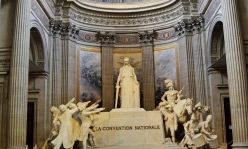
The Paris Catacombs work best when balanced with lighter, open-air experiences above ground. Located in the 14th arrondissement on the south side of the Seine, the ossuary fits naturally into a day spent exploring the Left Bank. If you are also planning to visit the historic Panthéon, combining both works perfectly as they are located in the same general area.
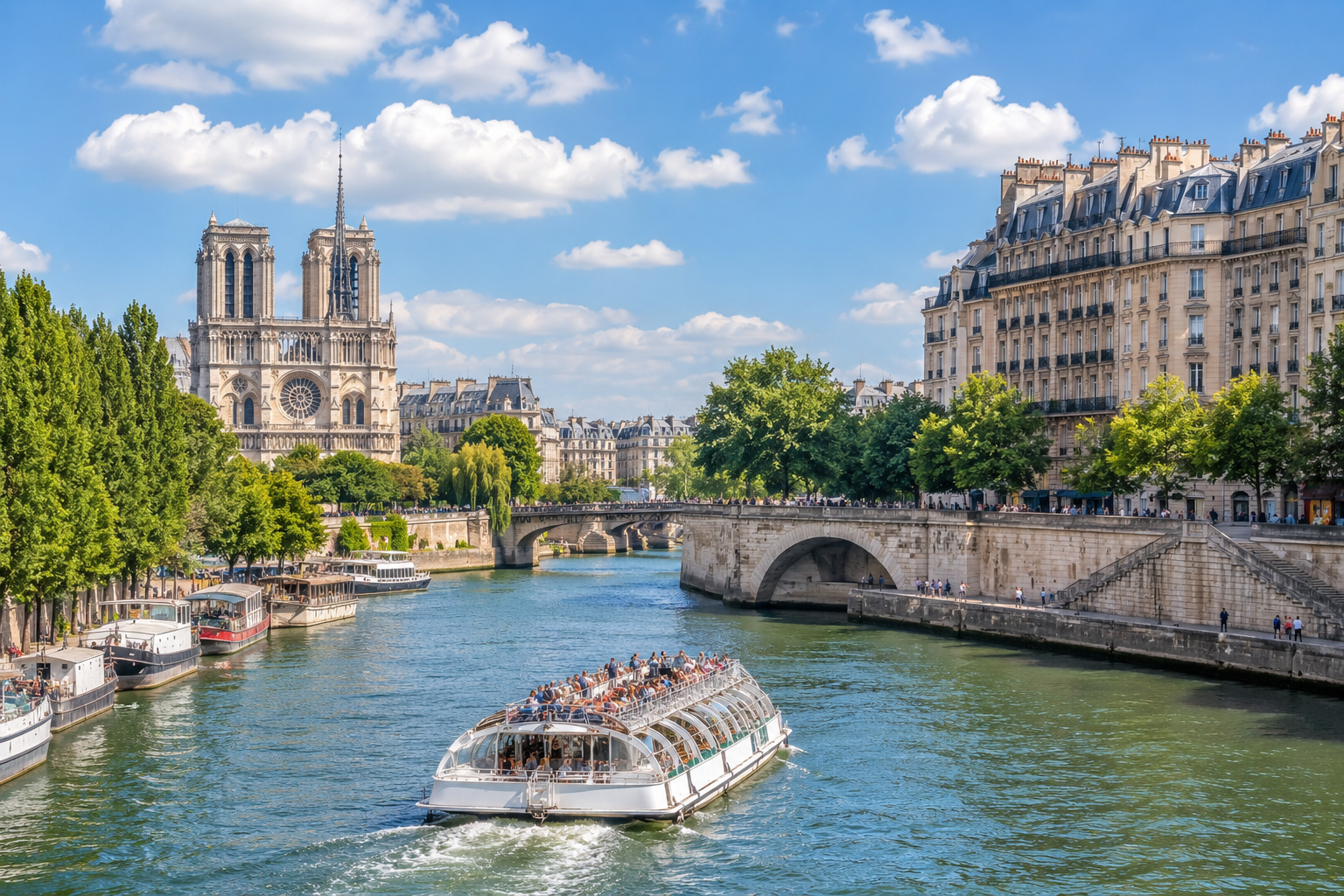
Many smart travelers choose to explore the Catacombs of Paris in the morning, then return to the surface for art, light, and movement. An afternoon at the nearby Musée d’Orsay or a relaxed Seine River cruise with tasting options creates a wonderful thematic contrast for your day.
You don’t leave the Catacombs of Paris with mere souvenir photos; you leave with a deeper historical awareness. After walking through these quiet underground quarries, standing before landmarks like Notre-Dame Cathedral or the Eiffel Tower feels completely different. Paris stops being just a beautiful postcard—it becomes profoundly multi-layered.
If you’re looking for unique or unusual things to do in Paris, the Catacombs are an absolute must-visit, serving as a powerful reminder that the City of Light hides its most complex history just beneath the surface.
You might also like...
Secure Payment
Ways You Can Pay









Cityzore is administrated by Global Tours and Tickets Company
Copyright © 2026 Cityzore. All Rights Reserved

 Türkçe
 Français
 Русский
 Español
 Deutsch
 Italiano
 Português
 Nederlands
 عربى
عربى